
Other Sikh items of significance
We have provided below some of the more common symbols, objects and items to be found on or around Sikhs in Australia along with a brief explanation and some pictures. This is not intended as a comprehensive and exhaustive guide on all Sikh items.
Some Sikhs may wear some of these items on their body in addition to the 5Ks (Kes, Kara, Kangha, Kacchehra, Kirpan) and Dastaar - The Sikh Turban. These items are likely to form part of the wearer’s Sikh identity.
As the modern Sikh emblem, the Khanda holds a special place for Sikhs. The Khanda is usually found on the Sikh flag, the Nishan Sahib which is found at all Sikh Gurdwaras in Australia. Sikhs will usually bow their heads before the Nishan Sahib in reverance to what it represents, the flag of refuge, food, shelter, protection and dignity for all.
While the Khanda is not Gurbani (sacred writings of the Gurus), the Khanda does represent the Sikh faith. Due and proper care should be afforded to the symbol wherever possible. Most Sikhs would find it offensive to see the Khanda being disrespected according to eastern traditions. For example a Khanda on the floor, near shoes, being stepped on or ripped would cause distress to Sikhs.
While tattoos are strictly forbidden in Sikh practice, the Khanda can sometimes be seen tattooed on young non-practising Sikhs (e.g. arm, back, chest). Due to their permanence, some practising Sikhs may have a tattoo prior to becoming practising or initiated.
Example of appropriate use:
When using symbols in print and non-print material to describe various religions and faith groups, use of the Khanda alongside the Christian Cross, Jewish Star of David, Islamic Crescent, Buddhist Wheel of Dharma etc.
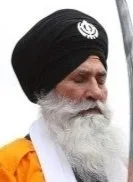
As a pin worn on a Sikh turban (see image).
Letterheads.
Educational and training material.
On jewellery such as cufflinks, necklaces and clothing.
Car stickers.
For almost everyone who displays it, it is a marker of faith and nothing more.
Example of inappropriate use:
Items likely to be discarded or trampled upon.
Using the Khanda as a representation of Punjabi or Sikhs from a religious or cultural perspective in print or non-print material promoting non-Sikh practices such as drinking alcohol, gambling, smoking or general non-religious activities.
The Khanda
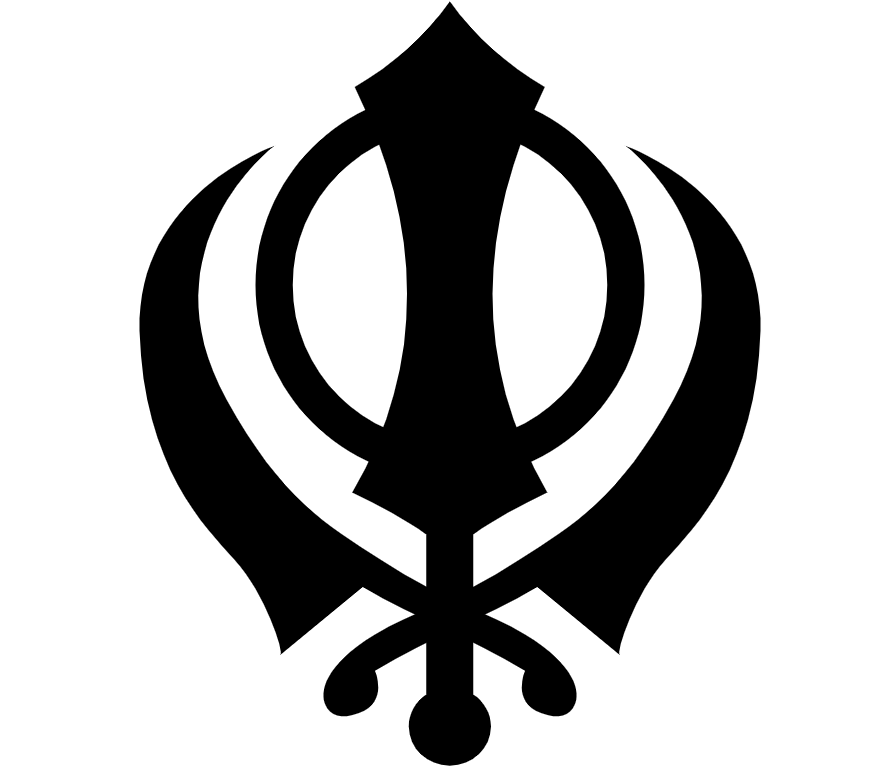
The Khanda is formed by the following three sections:
the central double-edged sword (also called a Khanda on its own). This represents divine knowledge and the separation of truth from falsehood
the circular Sikh weapon called a Chakkar. With no beginning or end it represents the oneness of the Sikh worldview
2 curved single-edged swords called Sri Sahibs, representing Miri (worldly authority) and Piri (spiritual authority). Together the two swords represent the balance a Sikh keeps between spiritual life and duty to society.
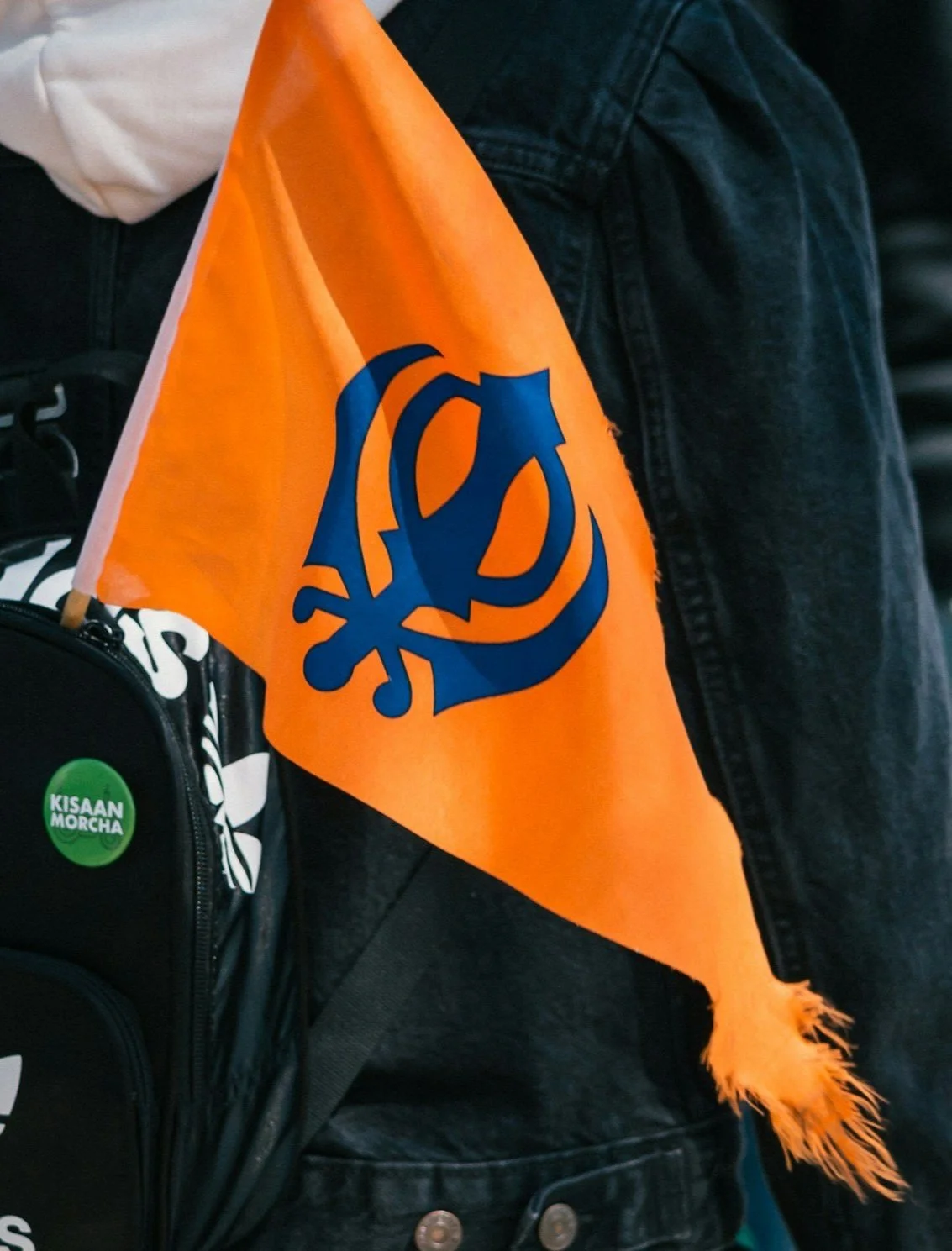
The Khanda on a Sikh flag
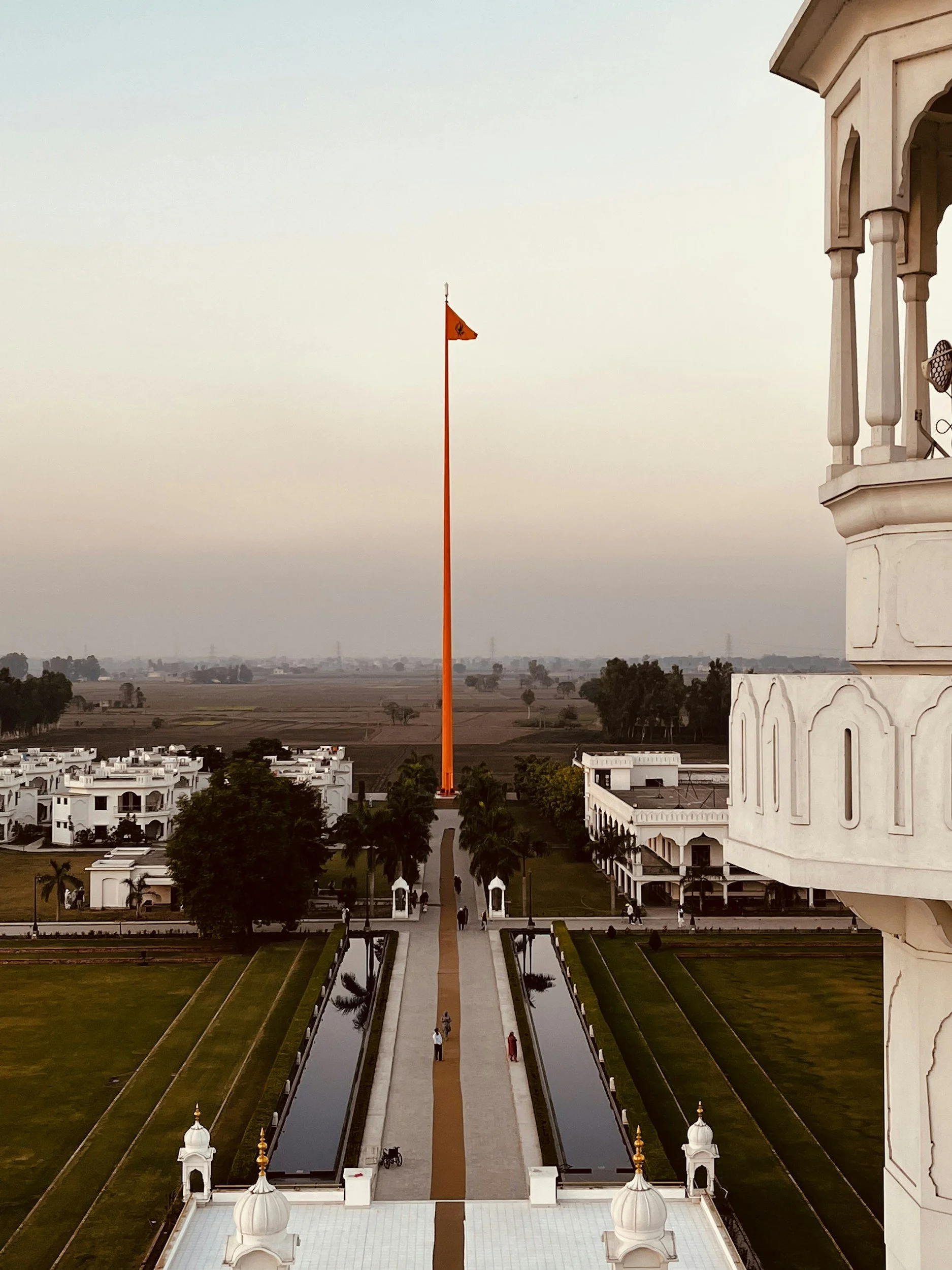

The Khanda on the Sikh flag and flag pole called a Nishan Sahib.
A Khanda pendant on a necklace.
Ek Ongkaar
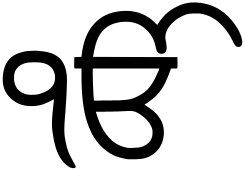
Ek Ongkaar represents oneness. It encapsulates the Sikh belief that there is one universal force that is eternal, formless and present in all creation. In essence Ek Onkar signifies unity, oneness, equality and harmony. The idea that everything in the universe flows from a single source.
Ek Ongkaar is Gurbani (sacred writing by the Gurus). The Sikh holy scripture the Guru Granth Sahib commences with Ek Ongkaar. A numeral 1 (Ek) followed by the description of oneness (Ongkaar). It is the first message of Sikhi.
Because the Ek Ongkaar symbol is treated as the sacred scripture itself, Sikhs consider it disrespectful to print it on any item unless its express purpose is spiritual only.
Example of appropriate use:
using Ek Ongkaar in an artwork displayed inside a Gurdwara. That is because items inside the Gurdwara are treated with the appropriate level of respect afforded in eastern traditions that are expected from the Sikh community.
A framed artwork in a home prayer space.
In printed religious scripture, prayer books called a Gutka or Pothi.
some elderly Sikhs may have a small Ek Ongkaar tattooed on the back of their hand. While tattoos are not allowed in Sikhi, many of these small Ek Ongkaar tattoos come from a time in which great distress was experienced by the people of Punjab during ‘The Partition’ in 1947. During this time many families lost their children and loved ones. To help identify their religious background children were often tattooed with a small symbol on the back of their hand to ensure they had the chance to find someone of their religious background for safety reasons during all the turmoil.
Example of innapropriate use:
Printing Ek Ongkaar on disposable items such as flyers or packaging for a Sikh or non-Sikh event would be considered seriously disrespectful and would upset Sikh sentiments. This is because in this example the flyers could end up on the floor, trodden on by feet, ripped or thrown in the bin. These acts are considered disrespectful to the Guru’s sacred writings.
Ek Ongkaar on clothing.
Promotional merchandise.
Government departments and workplaces would be best placed using the Khanda as a depiction of the Sikh religion rather than use Ek Ongkaar. Careful consultation with the Sikh community would also be recommended to ensure no widespread offence is caused. The first question being whether it is essential to use this sacred word or if something else could be used (like the Khanda or otherwise).

Kirpan and Khanda necklace
Some practising and non-practising Sikhs may wear a necklace that contains a miniaturised version of one or some of the 5 Ks (e.g. small Kirpan, or Kangha). This is generally not a replacement or substitute for the 5 Ks themselves. Some Sikhs may wear the necklace as a reminder of the values represented by the 5 Ks.
Simrana / Mala (rosary beads)
Simrana is type of mala (beaded necklace / bracelet) used to help recite and meditate. The Simrana / Mala could be made of iron, steel, wooden, cloth beads or rudraksha seeds.
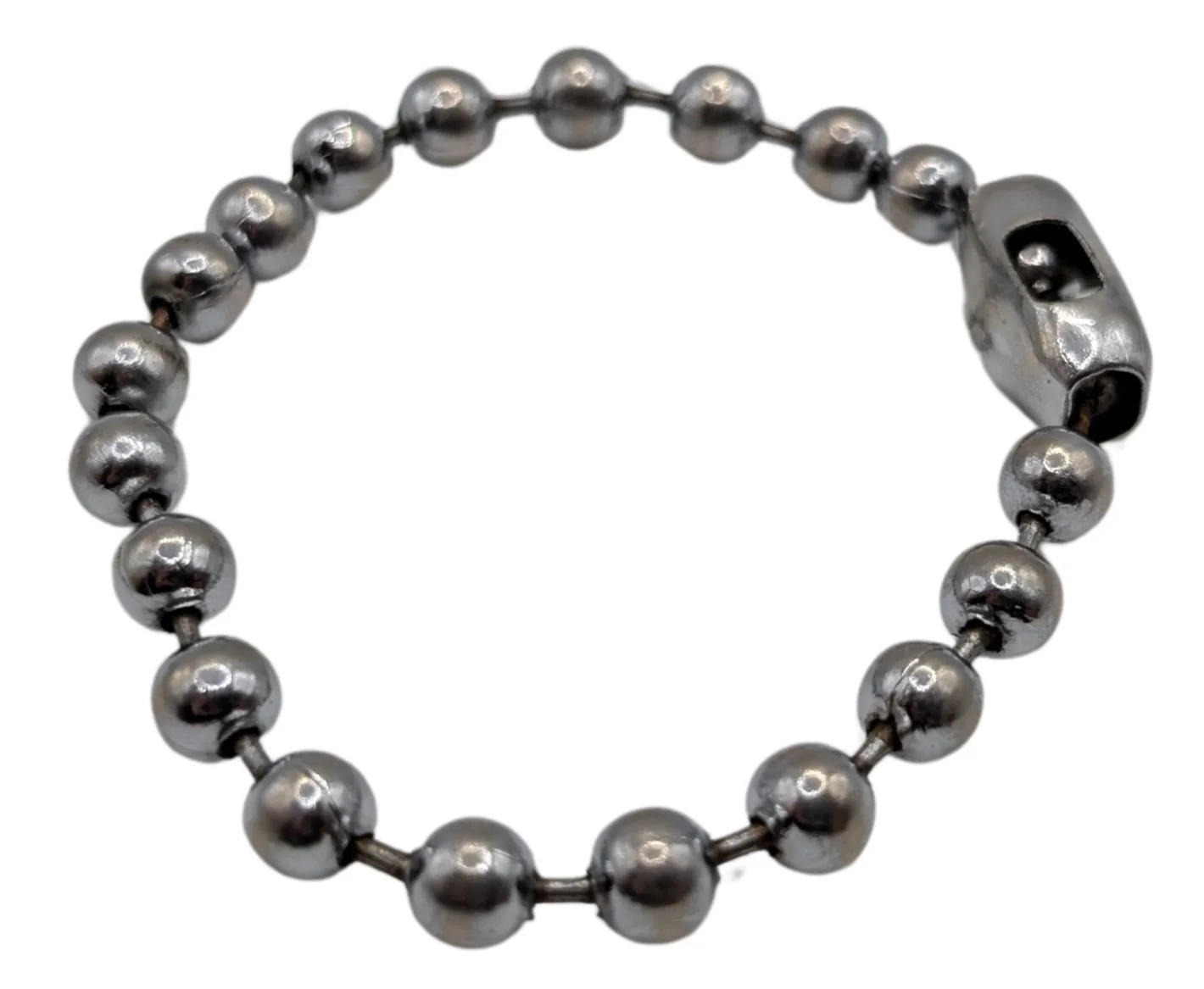
A metal beaded Simrana / Mala, bracelet size
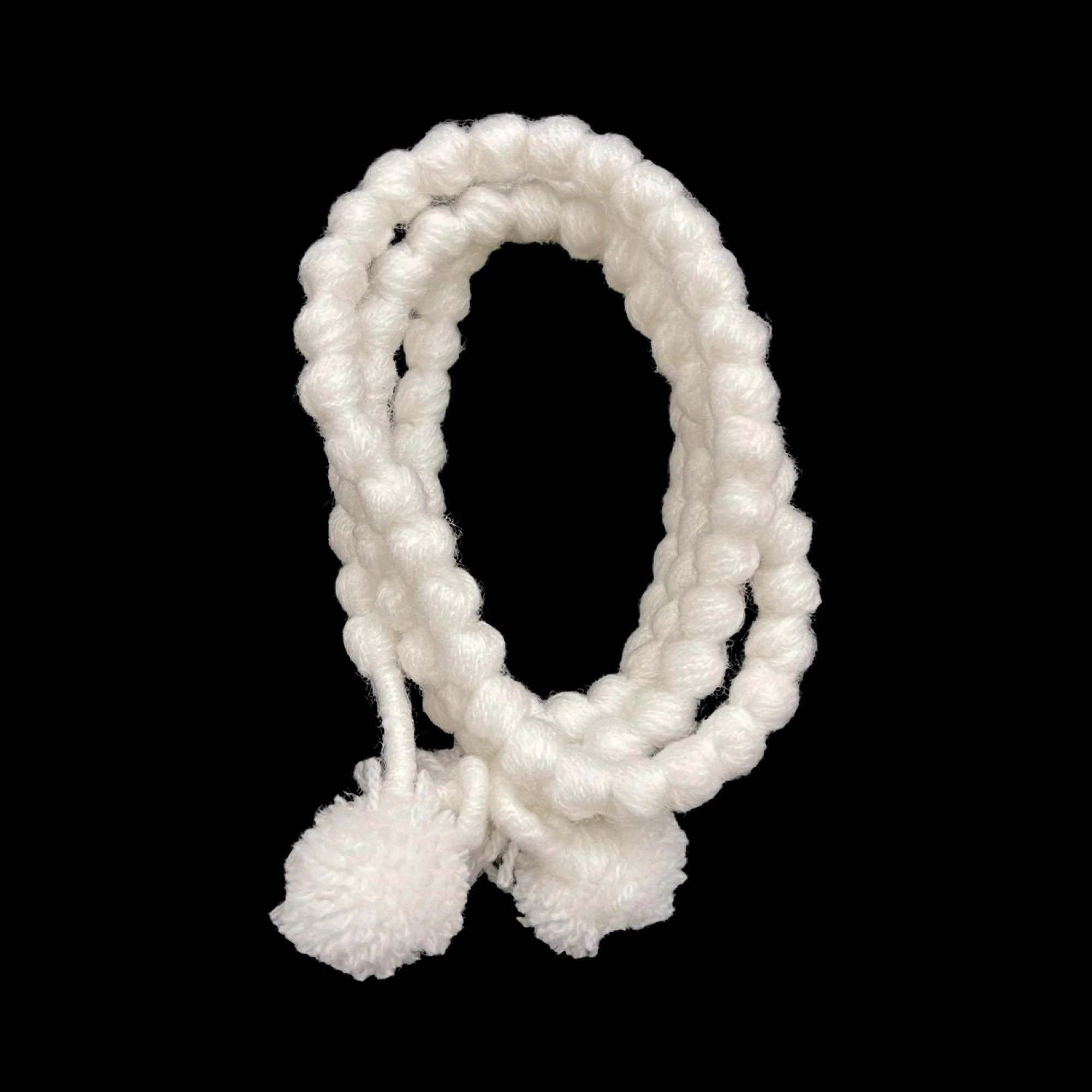
A cloth beaded Simrana / Mala, large necklace size
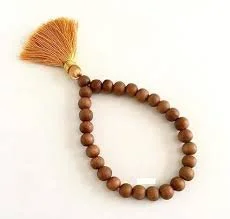
A wooden beaded Simrana / Mala, bracelet size
Baaj / Salai (Turban tying finishing tool)
These are sometimes kept by Sikhs on their body to help assist in tying or retying a Dastaar (turban). Easily obtained and replaced and Sikhs hold no religious / sacred reverance towards this object. It is considered simply a tool to get ready and go out.
A common issue at airports when going through security is where a Sikh will have forgotten to have checked in their Salai / Baaj.
Some Sikhs keep a Salai / Baaj tucked into the side of their turbans for easy access. Others may keep in their pockets or at home near to where they tie their turbans.

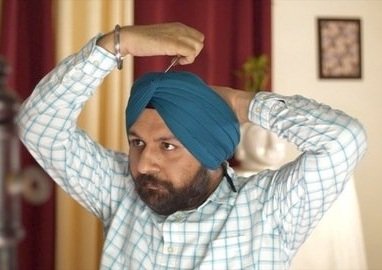
Sikh man using a Baaj / Salai to tidy up his turban.